

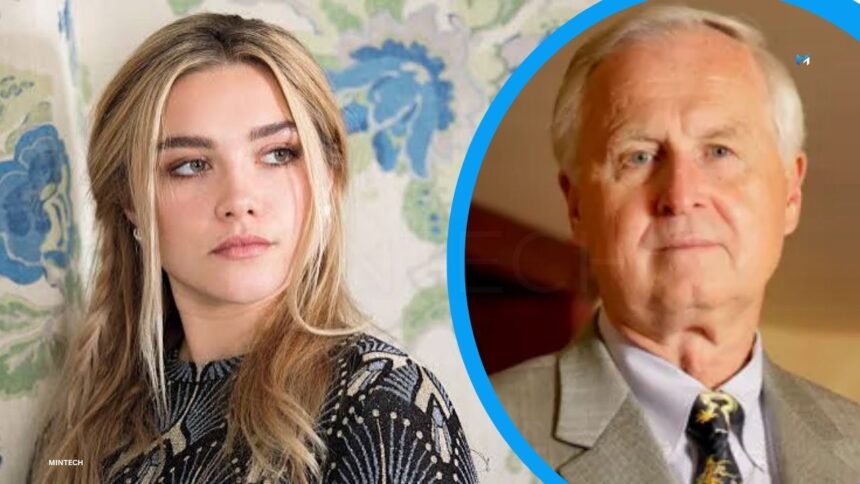
Florence Pugh and Igor Olenicoff come from entirely different worlds, yet readers often search for both names together. One became an award-nominated actress in film, while the other built a large real estate business in the United States. This guide explains who they are, what they achieved, and why their stories deserve attention.
Each section stays factual and easy to follow, covering their early lives, careers, public images, and practical lessons you can use yourself. We do not claim any personal link or partnership between them, so we compare their paths side by side instead.
Quick Bio Florence Pugh and Igor Olenicoff
| Detail | Florence Pugh | Igor Olenicoff |
|---|---|---|
| Full Name | Florence Pugh | Igor M. Olenicoff |
| Born | January 3, 1996 | Not publicly confirmed |
| Birthplace | Oxford, England | Russia |
| Nationality | English (British) | American (Russian-born) |
| Education | St Edward’s School, Oxford | University of Southern California |
| Profession | Actress | Real estate developer and investor |
| Industry | Film and television | Residential and commercial real estate |
| Main Work | Films such as Little Women, Midsommar, Black Widow, and Oppenheimer | Olen Properties Corp. (founder, owner, and president) |
| Career Start | Screen debut in The Falling (2014) | Moved from an early interest in music into the family real estate path |
| Key Milestone | Academy Award nomination for Little Women | Built a large U.S. portfolio of apartments and offices |
| Current Role | Working actress in major films | Owner and president of Olen Properties |
| Known For | Versatile roles in both dramas and blockbusters | Large property holdings in several states |
| Approach to Success | Bold role choices and strong emotional range | Long-term ownership and a family-run business model |
| Public Profile | Highly visible in film, fashion, and media | Mostly private, though a tax case drew public attention |
| Family | Parents Deborah and Clinton Pugh; brother Toby Sebastian is also an actor | Married with children (details are limited publicly) |
Who Is Florence Pugh

Florence Pugh is an English actress who rose from small British films to major Hollywood productions in less than a decade. Born on January 3, 1996, in Oxford, she built a reputation for emotional range, strong screen presence, and fearless role choices. Critics often praise her ability to move between intimate dramas, horror, and large blockbusters without losing authenticity. Her accolades include a British Independent Film Award, an Academy Award nomination, and three BAFTA nominations.
Pugh also connects with fans through a warm, direct personality that feels refreshingly unscripted. She shares her opinions, laughs easily in interviews, and often talks about the pressures that young actresses face. That openness has helped her build a loyal audience beyond the screen. Her career continues to grow, including recent dramas such as We Live in Time in 2024. For readers who want a clear overview, this section introduces the person behind the roles, and later sections explain how she reached this point, what shaped her choices, and why many viewers consider her a leading performer of her generation, and fans expect her best work still lies ahead.
Read More Richard Liu and German Larrea: Two Billionaires, Two Very Different Success Stories
Early Life and Acting Beginnings of Florence Pugh
Pugh was born in Oxford to Deborah, a dancer, and Clinton, a restaurateur, and she grew up in a creative, food-loving household. She attended St Edward’s School in Oxford, where she developed an early love for performance. Her brother Toby Sebastian also works as an actor, which shows how arts and ambition ran through the family. Pugh has spoken about how her parents encouraged her to follow her passion while still working hard for it.
Her professional debut came in the 2014 drama The Falling, which she completed while still studying in sixth form. The role introduced her to critics and casting directors who noticed her natural intensity. She then appeared in television and smaller films, including projects that let her practice her craft away from big spotlights. Those early jobs taught her how sets operate and how much preparation a performance requires. She also learned patience, because real momentum took a couple of years to build. Her breakout arrived when a bold lead role in Lady Macbeth proved that she could carry a film, and that performance launched a much bigger run of opportunities.
Florence Pugh’s Major Films and Career Highlights
Lady Macbeth in 2016 earned Pugh critical praise and the British Independent Film Award for most promising newcomer, which placed her firmly on the industry’s radar. In 2019, she starred in Little Women as Amy March, and the performance earned her an Academy Award nomination for best supporting actress. That same year, she led the folk horror film Midsommar, which showed her ability to anchor intense, unsettling material. Together, those projects proved that she could handle both prestige drama and genre storytelling.
Pugh joined the Marvel universe in Black Widow in 2021 as Yelena Belova, and fans embraced her sharp humor and emotional depth. She later appeared in Don’t Worry Darling, Oppenheimer, and Dune: Part Two, each of which placed her in a different style of film. In 2024, she starred opposite Andrew Garfield in the romantic drama We Live in Time. Her choices show a clear pattern, because she mixes commercial projects with personal ones. That balance keeps her work fresh and protects her from being locked into one image.
Florence Pugh’s Public Image and Creative Influence
Pugh has built a public image around honesty, humor, and confidence in her own style. She speaks candidly about criticism of her body and her choices, and she often defends the right of women to dress and live as they wish. Many fans appreciate that stance because it feels genuine rather than rehearsed. She also became known for cooking videos shared online during lockdown, which showed a relaxed side that contrasts with her intense screen roles.
Her influence extends into fashion, where she attends major events and works with well-known brands. Style commentators often note that she wears bold choices with ease. Because she remains active on social media, she can speak directly to her audience without waiting for press cycles. At the same time, she protects some parts of her private life, which keeps a healthy boundary between public and personal. Younger actors can study that balance as a model for sustainable careers.
Who Is Igor Olenicoff

Igor Olenicoff is a Russian-born American real estate developer and investor who founded and leads Olen Properties Corp. Reports describe him as owner, founder, and president of the company, which is based in Southern California. Forbes has listed him among the wealthy Americans, although exact net worth numbers change over time and differ by source. His business owns apartments and office buildings in several states, which makes him a major private property owner.
His story begins with immigration, because he came to the United States from Russia as a teenager and built his career from a modest start. A Forbes profile notes that he arrived at fifteen, attended community college, and later studied at the University of Southern California with the help of a government grant. That path shows how education and persistence can open doors for newcomers. Later sections explain how he entered real estate, how his company grew, and why a tax case also became part of his public record.
Igor Olenicoff’s Early Life and Education
Olenicoff immigrated from Russia at fifteen, which meant he had to learn a new language, culture, and school system almost at once. He attended community college first, a practical choice for a young immigrant with limited resources. A government grant later helped pay for his studies at the University of Southern California, on the condition that he work in government or teach after graduation. That arrangement shows how public support can change a young person’s future.
An Orange County Business Journal profile says Olenicoff was drawn more to rock and roll than real estate early on, and that his father helped change that direction. The detail adds a human touch to a story that might otherwise sound purely financial. It also shows that careers often begin with detours, family advice, and unexpected turns. Many successful founders describe similar moments, when a trusted relative pushes them toward a path they had not planned.
How Igor Olenicoff Built Olen Properties
Olenicoff built Olen Properties into a large private real estate firm focused on residential apartments and commercial office buildings. He generally holds properties for the long term, which allows rents to grow and values to rise over many years. This approach differs from developers who build quickly and sell for fast profits. Olen Properties operates in several states, including California, Florida, Arizona, and Nevada, according to business profiles. Because the company is privately held, it shares fewer financial details than public corporations do.
Real estate rewards patience, location knowledge, and careful financing, and Olenicoff’s career shows all three. Developers must read local markets, manage construction risk, and keep buildings attractive for tenants. They also face economic cycles, since rents and valuations can fall during downturns. A long-term owner can survive those cycles if debt stays manageable and properties remain well run. Olenicoff’s longevity suggests that he handled those pressures effectively, even through market shocks.
Igor Olenicoff’s Business Approach and Public Challenges
Olenicoff’s approach centers on owning real assets and managing them over time, rather than chasing short-term trading gains. He treats property as a long-term engine for cash flow and stability. That mindset fits families and founders who prefer predictable income over fast speculation. His company also keeps a relatively low public profile, which reduces distractions and media pressure. Still, every large operator faces scrutiny, and Olenicoff is no exception.
Public records show that Olenicoff faced a federal tax matter linked to undisclosed Swiss bank assets, and a CNBC report describes his sentence as two years of probation. Earlier, the Internal Revenue Service ordered him and his wife to pay about 60 million dollars in extra 1997 taxes and penalties, according to the Orange County Business Journal. He also sued UBS over the tax advice he received. These facts are part of his public record and deserve honest mention, yet they do not define every part of his career.
Key Differences Between Florence Pugh and Igor Olenicoff
Pugh and Olenicoff work in very different arenas, and those differences shape how each person defines success. Pugh builds her career through performance, where critics, audiences, and awards judge her work every year. Olenicoff builds his through property, where rent rolls, occupancy, and long-term values matter most. An actor depends heavily on casting choices, directors, and public taste, while a developer depends on capital, land, and economic cycles. Their timelines also differ, because a film career can change with one hit, whereas a real estate portfolio grows slowly and compounds across decades of patient ownership and careful maintenance, and those structural differences explain why their daily routines, risks, and rewards look so unlike each other.
Their public profiles contrast just as sharply. Pugh lives in front of cameras, speaks to fans online, and shares her views openly. Olenicoff stays mostly private, and the public usually learns about him through business reports and legal records. Pugh began young and rose quickly, whereas Olenicoff started as an immigrant teenager and built wealth over many years. Neither path is better, because each suits its own field and personality.
Shared Values and Common Ground
Despite their different careers, Pugh and Olenicoff share several useful traits. Both rely on persistence, since Pugh worked through early roles before her breakout and Olenicoff worked through immigration and school before building his firm. Both made bold choices at key moments, whether that meant taking a risky film role or committing to long-term property ownership. They also stay focused on craft and process rather than noise.
Both also show resilience under public attention. Pugh has faced intense online commentary and responded with confidence and humor. Olenicoff faced tax scrutiny and legal disputes while his company continued to operate. Each case shows how public pressure can test character, and how continued work can rebuild trust over time. They also show independence, because both followed their own methods rather than copying popular trends. Readers can learn from this mix of persistence and self-belief without needing a film set or a property portfolio.
Why Florence Pugh and Igor Olenicoff Matter Today
Pugh matters today because she represents a new generation of actors who move freely between independent films and global franchises. Her roles in Little Women, Black Widow, and Oppenheimer reached huge audiences, and her work continues to attract awards attention. She also shows how performers can speak honestly about body image and public criticism. Younger viewers see her as proof that authenticity can coexist with fame. Because film studios still depend on strong casting, her choices influence which stories reach theaters.
Olenicoff matters because housing and office space remain central to every economy, and large private owners shape how cities function. His story reminds readers that real estate wealth often comes from patience, borrowing discipline, and local knowledge. It also reminds them that tax compliance and transparency matter, since mistakes can create long public consequences. As more people explore property investing, they can learn from both his long-term focus and his legal troubles.
Lessons Readers Can Learn from Both Figures
First, build skill before you chase attention, because Pugh spent years on smaller projects, and Olenicoff spent years studying and working before he built a large firm. You can copy that habit by choosing one skill and practicing it weekly. Second, take smart risks, because both figures made bold moves that others avoided. Third, think long term, since film careers and property portfolios both reward patience. These habits cost little and apply to almost any career, from art to business to personal finance.
Fourth, protect your reputation, because public trust takes years to build and moments to damage. Pugh guards her authenticity, while Olenicoff’s tax case shows how costly poor compliance can become. Fifth, keep learning from setbacks instead of hiding them. Finally, stay true to your values, whether you work in front of a camera or behind a ledger. Use these lessons as inspiration rather than strict rules, and adapt them to your own goals, budget, and risk tolerance.
Explore more Post Malone and Kumar Birla: Two Worlds, Two Billion-Dollar Legacies
Conclusion
Florence Pugh and Igor Olenicoff show that success can take many shapes. Pugh built an acclaimed acting career through bold choices and emotional honesty, while Olenicoff built a real estate business through long-term ownership, even as legal troubles shaped his public record. Both rely on persistence more than noise.
Frequently Asked Questions
Who is Florence Pugh?
Florence Pugh is an English actress born in Oxford in 1996, known for Little Women, Midsommar, and Black Widow.
Who is Igor Olenicoff?
Igor Olenicoff is a Russian-born American real estate developer who founded and leads Olen Properties Corp.
Are Florence Pugh and Igor Olenicoff connected?
No public evidence shows a partnership or shared project. This article compares their careers only.
What is Florence Pugh best known for?
She is best known for her Oscar-nominated role in Little Women and her work in Midsommar and Black Widow.
What is Igor Olenicoff best known for?
He is best known for building Olen Properties and owning apartments and office buildings in several states.
Stay More Update MINTECH