
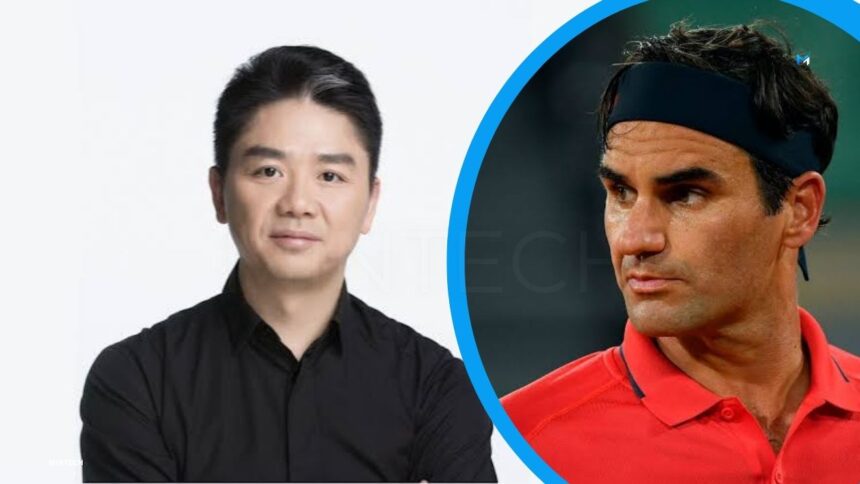
Richard Liu and Roger Federer come from completely different worlds, yet both men built something that outlasts a single season or a single business quarter. Liu turned a tiny electronics counter in Beijing into JD.com, one of the largest and most trusted retailers in China. Federer turned a shy Swiss boyhood into 20 Grand Slam singles titles and a global brand that still attracts millions of admirers.
We will walk through their early lives, career milestones, net worth, and leadership styles, so you can see how each man reached the top. We will also examine their daily habits, public images, and charitable work, because character shapes success as much as talent does. Each section keeps the comparison fair, since the two men chased different goals under very different rules and pressures. One competed against a single opponent across a net, while the other competed against entire markets and powerful rivals.
Quick Bio Richard Liu and Roger Federer
| Detail | Richard Liu | Roger Federer |
|---|---|---|
| Full Name | Liu Qiangdong (known as Richard Liu) | Roger Federer |
| Date of Birth | 10 March 1973 | 8 August 1981 |
| Birthplace | Suqian, Jiangsu, China | Basel, Switzerland |
| Nationality | Chinese | Swiss |
| Profession | Entrepreneur and founder of JD.com | Former professional tennis player |
| Education | Renmin University of China (sociology) and CEIBS | Trained at the national tennis centre in Ecublens |
| Career Start | 1998, opened an electronics shop in Beijing | 1998, turned professional |
| Best Known For | Building JD.com into a major e-commerce company | 20 Grand Slam singles titles |
| Major Achievement | Took JD.com public on Nasdaq in 2014 | 103 ATP singles titles and 310 weeks as world number one |
| Current Status | Chairman of JD.com since April 2022 | Retired in September 2022 |
| Spouse | Zhang Zetian | Mirka Federer |
| Philanthropy | Pledged JD.com shares to charity in 2022 | Roger Federer Foundation (education in Africa and Switzerland) |
| Source of Income | JD.com stake and investments | Endorsements, On Holding stake, and business ventures |
| Estimated Net Worth (2026) | About 5 billion dollars (Forbes) | About 950 million dollars (Forbes, August 2026) |
| Core Mindset | Long-term vision and persistence | Calm, elegant, consistent excellence |
Richard Liu Early Life and the Rise of JD.com
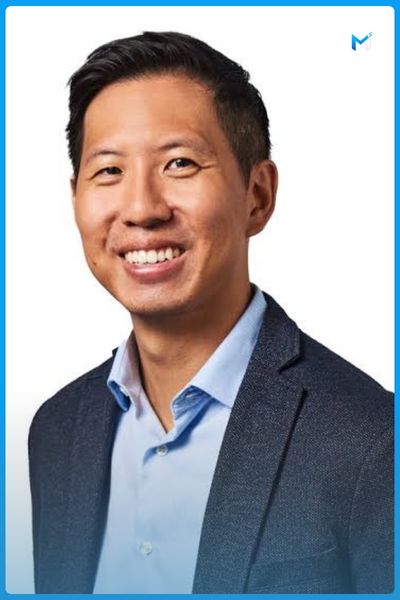
Richard Liu, whose Chinese name is Liu Qiangdong, was born on 10 March 1973 in Suqian, a city in Jiangsu province in eastern China. His family had little money, and he learned early that steady effort mattered more than comfort or luck. He studied sociology at Renmin University of China in Beijing and graduated in 1996 with a degree that taught him how people think and behave. After university, he worked in a corporate job for a short time, but he wanted to build something of his own.
In 1998, Liu opened a small shop in Beijing that sold magneto-optical products and later expanded into other electronics, keeping prices fair and guaranteeing genuine goods in a market full of counterfeits. When the SARS outbreak in 2003 kept shoppers at home, he began selling online and launched the website that became JD.com. That bold decision changed his company forever and opened a much larger customer base across the whole country.
Explore more David Zaslav and Conor McGregor: The Complete Guide to Their Careers and Achievements
Roger Federer Early Life and Tennis Beginnings
Roger Federer was born on 8 August 1981 in Basel, Switzerland, to a Swiss father and a South African mother who encouraged his love of sport. He picked up a racket at a young age and played several sports, including football and badminton, before he finally chose tennis as his main focus. As a teenager he had a fiery temper and often smashed rackets in frustration, but his coaches helped him channel that emotion into focus.
Federer moved to the national training centre in Ecublens at age 14 and lived away from his family, an experience that taught him independence and discipline. In 1998 he won the junior Wimbledon title and turned professional soon after. Coach Peter Carter shaped his early technique, and his sudden death in 2002 hit Federer hard, yet he used that grief as motivation rather than an excuse. A year later he claimed his first Wimbledon crown, and the tennis world finally saw the calm, graceful champion he had trained to become.
Richard Liu Career Milestones and Business Achievements
JD.com grew steadily through the 2000s by focusing on authentic products, fast delivery, and strong customer service that rivals struggled to match. Liu raised funding from major investors and expanded into home appliances, books, clothing, and groceries over the following years. In May 2014, JD.com listed on the Nasdaq in one of the largest internet offerings by a Chinese company at that time, and Tencent and later Walmart became important partners.
Logistics became JD.com’s biggest advantage, because Liu built a large network of warehouses and employed his own delivery staff, which allowed same-day and next-day delivery in many Chinese cities. He later expanded into supply chain services, cloud technology, and healthcare. In April 2022, Liu handed the chief executive role to Xu Lei and became chairman, where he continues to guide long-term strategy. Critics sometimes questioned his heavy spending, yet customers rewarded the reliability and kept coming back.
Roger Federer Career Milestones and Grand Slam Glory
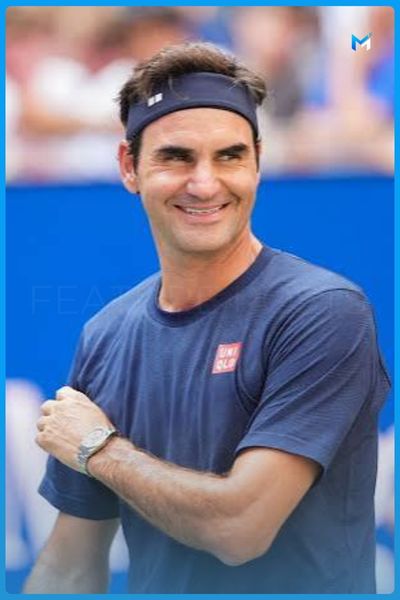
Federer won his first Grand Slam title at Wimbledon in 2003 and quickly came to dominate the sport for the next decade and a half. He collected 20 Grand Slam singles titles, including eight at Wimbledon, six at the Australian Open, five at the US Open, and one at the French Open. He reached world number one in 2004 and stayed there for 237 consecutive weeks, a record streak.
His rivalries with Rafael Nadal and Novak Djokovic produced some of the most memorable matches in history, including the 2008 Wimbledon final and the 2017 Australian Open final. Federer won 103 ATP singles titles and added an Olympic doubles gold medal in 2008 and a Davis Cup title in 2014. Injuries slowed him in later years, but he kept returning with humility and fresh determination. He retired in September 2022 at the Laver Cup in London, sharing an emotional farewell with Nadal while tears flowed across the arena and the sport paused to thank him. Few athletes have left the game with such universal respect.
Richard Liu and Roger Federer Net Worth Compared
Net worth comparisons depend on stock prices, so these numbers shift often and should be read as snapshots in time rather than fixed facts that never change. Forbes estimated Richard Liu’s fortune at roughly 5 billion dollars in 2026, after a sharp decline earlier in the year. Roger Federer entered the Forbes billionaire list in March 2026 at about 1.1 billion dollars. Then, as Bluewin reported, a plunge in On Holding shares pulled his estimate below that mark, to about 950 million dollars.
The sources of wealth differ strongly between the two men. Liu earned his money mainly through his JD.com stake, which grew as the company expanded across China. Federer earned about 130 million dollars in prize money, but endorsements and his On Holding stake created most of his fortune, including long-term deals with brands such as Rolex, Uniqlo, and Mercedes-Benz. Liu is richer in raw numbers, while Federer’s wealth has proved remarkably durable after retirement, thanks to smart partnerships and loyal fans worldwide.
Building a Business Empire vs Building a Sporting Empire
Liu built his empire through systems, creating warehouses, delivery networks, technology platforms, and a large workforce that serves millions of customers every day. His success depended on coordination, capital, and patience rather than on one heroic performance. Each year demanded new decisions about pricing, supply, and competition from rivals such as Alibaba. Liu accepted losses in the short term to win the trust of customers and suppliers in the long term.
Federer built his empire through excellence, and he had no employees on the court, only a team of coaches, trainers, and agents supporting one athlete who carried every result alone. His brand grew from trophies, sportsmanship, and a gentle public image that sponsors found irresistible. Sponsors paid for his reputation as much as his results. Over time he turned that reputation into businesses, including his stake in On and his management company, Team8.
Leadership Style and Winning Mindset
Liu leads with intensity and a strong belief in long-term thinking that shapes almost every major decision at JD.com. He is known for investing heavily in logistics when competitors chose cheaper routes, and he has championed benefits for delivery staff, which strengthened loyalty inside the company. His management style demands very high standards from every team, and employees know that quality and speed matter most. Liu accepts risk when he believes the payoff will arrive years later, even when investors complain about rising costs.
Federer leads by example and stays calm under pressure, whether he is serving at match point or answering tough questions from reporters. He treated opponents with respect, thanked officials, and kept his emotions steady during tense moments in front of huge crowds. He believed in preparation, so he trained hard, rested well, and adjusted his game as he aged. After knee surgery in 2016 he came back stronger and won the 2017 Australian Open at age 35 in a thrilling five-set final against Nadal. His mindset teaches that talent opens the door, but patience, humility, and constant learning keep you inside the room for a long career.
Daily Habits and Work Ethic of Both Legends
Liu has built a reputation for relentless work and close attention to operational detail, which colleagues and media profiles often describe in similar terms. He expects speed, accuracy, and commitment from senior managers and every operations team, and his routine revolves around the business. He treats time as his most valuable asset, and that focus helped JD.com respond quickly when markets shifted and competitors changed tactics. It also raises fair questions about balance and burnout, which any ambitious founder must face.
Federer balanced intense training with deliberate rest, and he often slept around ten hours a night, kept a healthy diet, and trained with a clear plan for each season. He also travelled with his family, which kept him grounded during long tours across continents. Coaches Severin Lüthi and Ivan Ljubičić helped him refine his schedule, shot selection, and tactics against much younger rivals on the tour. He played fewer tournaments as he aged, which protected his body.
Brand Influence and Public Image
Liu is often called the Chinese Jeff Bezos because both men built giant online retailers, and his public image mixes pride, ambition, and national business success. JD.com became a household name in China through fast delivery and strong promotions, such as its annual shopping festival around 18 June. Liu’s personal brand supports that image by emphasising trust and quality. His reputation has faced scrutiny at times, including a 2018 case in the United States that ended without criminal charges, but the company’s service record continues to anchor its public standing.
Federer’s public image is almost spotless, because fans see him as elegant, humble, and generous both on court and away from it. He won the Stefan Edberg Sportsmanship Award 13 times, and rivals such as Nadal and Djokovic speak warmly about him. Brands such as Rolex and Mercedes-Benz value that trust, and they pay a premium for it. His image has crossed borders and languages, which explains why he remains popular in China, India, Africa, and Europe, long after retirement.
Philanthropy and Giving Back to Society
Liu has pledged large gifts to education, rural development, and community support, and these actions fit his own story because he grew up with limited resources. In 2022 he announced plans to donate JD.com shares, worth about 2.3 billion dollars at the time, to charity, which attracted wide attention in China. Philanthropy gives his business success a broader purpose. It also signals that he wants his fortune to help communities that once resembled the one that raised him, and it encourages other wealthy founders to think beyond profit and personal wealth. Supporters see these gifts as proof that business leaders can shape society as well as markets.
Federer founded the Roger Federer Foundation in 2003 and focuses on early childhood education in southern Africa and Switzerland, where his mother’s South African roots inspired his interest. The foundation has helped more than a million children by funding schools, teacher training, and learning materials. Federer also joined charity matches that raised money for these projects, and he stays involved personally. His giving shows that influence matters most when it reaches people who will never see a stadium, and that a champion’s work continues long after the final handshake.
Success Lessons for Entrepreneurs and Athletes
Entrepreneurs can learn three things from Liu. First, invest in the parts of the business that customers feel, such as delivery speed and product authenticity, because those details build loyalty faster than any advertisement or discount ever could. Second, accept short-term costs when they build long-term trust, even when investors push for quick profits. Third, stay close to operations, even when the company grows large, layers of management appear, and distance from customers starts to grow. Liu’s journey shows that a small shop can become a national brand through consistent service.
Athletes and professionals can learn plenty from Federer, who protected his health, prepared thoroughly, and treated rivals with respect even when the scoreboard turned against him. Reinvent your game before it breaks, as he did when he adopted a larger racket in 2014 and a more aggressive style. Build income outside your main job, because careers end sooner than expected and savings alone rarely last. Finally, treat every setback as feedback, because even Federer lost many finals before he won the biggest ones.
Read More Lowell McAdam and Pedro Pizarro: Two Corporate Leaders Who Shaped Global Business
Conclusion
Richard Liu and Roger Federer prove that greatness has more than one shape, and that different arenas can still reward the same core habits. Liu built a retail and logistics empire that serves millions of customers across China, while Federer built a sporting legacy that inspired fans on every continent. Their paths differ, but their habits overlap: long-term thinking, steady discipline, and respect for the people around them. Their fortunes also remind us that wealth moves with markets, while reputation and character move with choices, and that distinction is the single most practical takeaway from comparing two remarkable careers that both began in very modest circumstances.
Frequently Asked Questions
Who is Richard Liu?
Richard Liu is the Chinese entrepreneur who founded JD.com in 1998 and now serves as its chairman.
Who is Roger Federer?
Roger Federer is a retired Swiss tennis player who won 20 Grand Slam singles titles and 103 ATP titles.
Who is richer, Richard Liu or Roger Federer?
Liu is richer. Forbes estimated him at about 5 billion dollars in 2026, against roughly 950 million dollars for Federer.
Is Richard Liu still the CEO of JD.com?
No. He became chairman in April 2022, when Xu Lei took over as chief executive.
When did Roger Federer retire?
Federer retired in September 2022 after playing the Laver Cup in London.
Stay More Update MINTECH